Invisible Statues and NFTs: The Dematerialization of Art in the 21st Century
By Daniel Santiago Toro Torres, attorney, Creative Director, Master's candidate in Art Law
Given how hard art is to define as a discipline, artworks themselves follow the same rule, expressing themselves in unimaginable and creative ways — trying to define the limits of that creativity is a fairly pointless and complex task. In this article I'll walk through unusual cases that reveal just how peculiar and unique the art market can be, and how this has transformed the very concept of an artwork's materiality, closing with a brief legal reflection on the validity of legal acts involving intangible or atypical assets.
To start, I'll cover several cases from recent art history, full of curious and unusual situations that reflect the endless creative space of the human mind:
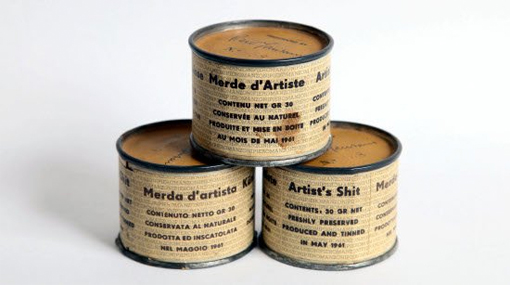
- "Artist's Shit" (Merda d'artista, 1961), Piero Manzoni: A sharp piece of conceptual-art criticism through which this ironic, nobly-born Italian artist mocked the art market. He filled 90 cans with his own excrement, exhibited them, and sold every one at the price of gold — one of these "sculptures" even sits in the Museum of Modern Art (MoMA) in New York. These works' commercial success reached the point where one can sold for €275,000 at an auction in Milan.
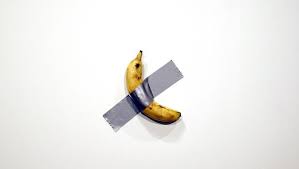
- "Comedian" (2019), Maurizio Cattelan: A work consisting of a banana duct-taped to a wall, made in three editions, shook the art world when one sold for $120,000 at Art Basel Miami. Emmanuel Perrotin, the gallerist who exhibited the works, called it "a symbol of world trade, a double entendre, as well as a classic device for humor," while Billy and Beatrice Cox, the couple who bought one edition, said: "We are very aware of the glaring absurdity of the fact that Comedian is a fairly inexpensive, perishable, everyday item along with a couple of inches of duct tape."
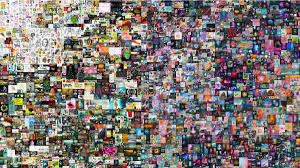
- "Everydays: The First 5000 Days" (2021), Mike Winkelmann — Beeple: With the staggering figure of $69.3 million, this American artist became a genuine sensation in the crypto-art world, hitting historic numbers for a Non-Fungible Token (NFT) sale, making him the third most expensive living artist in the world behind figures like Jeff Koons and David Hockney.
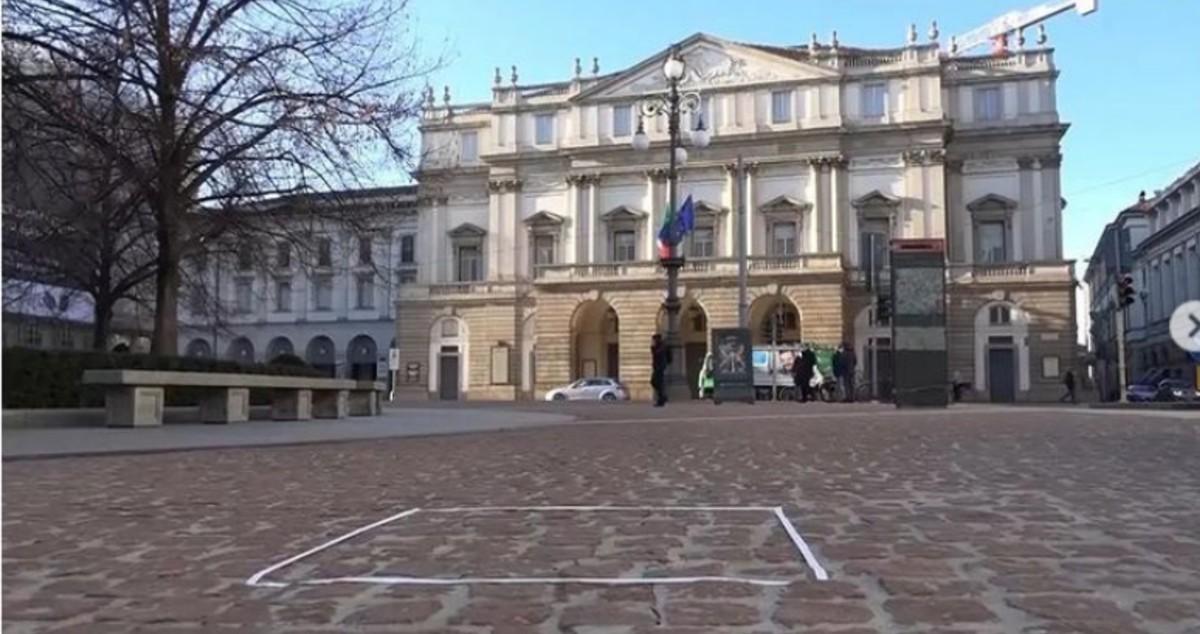
- "I Am") (Io Sono, 2021), Salvatore Garau: Recently, this Italian conceptual artist stunned the art world by selling his invisible sculpture — which he describes as "a void full of energy" — for no less than €15,000. It's one of the works you could place within the dematerialized-art movement, which even has its own Museum of Non-Visible Art.
- "A Ton of Coke" (aTonOfCoke, 2021), by Camilo Restrepo: This artist from Medellín has published a thousand images, each depicting a kilo of cocaine, on the OpenSea platform. His work, built around the war on drugs, seriously questions speculation in the art market, the NFT market, and the drug market alike, putting them in dialogue in a way that challenges their volatility and criticizes their mismanagement.
As I mentioned, questioning the artistic validity of these works makes little sense, given that subjectivity is the very basis of artistic appreciation. Still, as a lawyer, examining these pieces raises questions for me about their legal protection (in terms of authorship and ownership), and about the validity of the legal relationships created around these new kinds of assets.
Under classical legal theory, a contract's basic elements are consent, subject matter, and cause. In sales of intangible pieces like these, what exactly is the contract's subject matter? How can that asset be distinguished from any other? How can performance of the contract — delivery of the asset — actually be enforced? Several scholars argue that, in these cases, the actual asset is really the certificate of authenticity issued to represent the artwork. If that's accepted, then under the parties' freedom to contract, the contract's obligations and the price paid would attach to that certificate.
Treating the certificate of authenticity as the actual subject matter of the sale certainly avoids a lot of legal headaches, but it leaves plenty of open questions about how intellectual-property rules apply to these works. How do you register an NFT so no one can copy it? What legal limits exist here? Can I patent or register an invisible or intangible work?
Between invisible sculptures, one-of-a-kind digital files, and monumental pieces of "crap," the very concept of art's materiality keeps getting blurrier. Explore the different angles on NFTs in our webinar with Artrade and Xertify.
El asistente jurídico digital de Jurídiconline analiza tu situación específica. La revisión inicial es gratuita.